Reading a size chart when no two makers agree
A medium is not a medium everywhere. Here is how we size the range, what the letters cover, and where a chart stops helping.
Written by the SELINK studio. Sources read 18 September 2026. Prices in this piece were read 18 September 2026.
Letter sizes are a promise between a maker and one factory, not a standard. Two garments marked large can differ by a full inch across the chest and still both be honest.
That is why the size chart from the maker matters more than the letter on the label. It gives the numbers the factory cut to, and numbers do not shift between brands.
We can tell you what the letters cover here. Across 720 styles, this is how often each size appears.
Counted across the catalogue on 18 September 2026. A style counts once per size it lists.
Measure a garment, not yourself
The fastest way to choose a size is to measure something you already own and like. Lay it flat, measure across the chest from seam to seam, and double the number.
Compare that against the maker's chart rather than against your body measurement. Clothing charts describe the garment, and the ease built into a loose cut can add four inches or more.
For trousers the useful number is the inseam. Wide legs read longer than straight legs at the same measurement because the hem pools.
| Situation | What we would do |
|---|---|
| Between two sizes on the chart | Take the larger one in knitwear, the smaller one in jersey |
| Loose or oversized cut | Stay at your usual size, because the ease is already drawn in |
| Bodycon or ruched shape | Follow the chart exactly, since there is no ease to borrow |
| Children's line | Measure against a garment that fits now; age sizes run small |
Styles with the fullest size runs
Every style below lists four or more sizes, so there is room to move up or down.
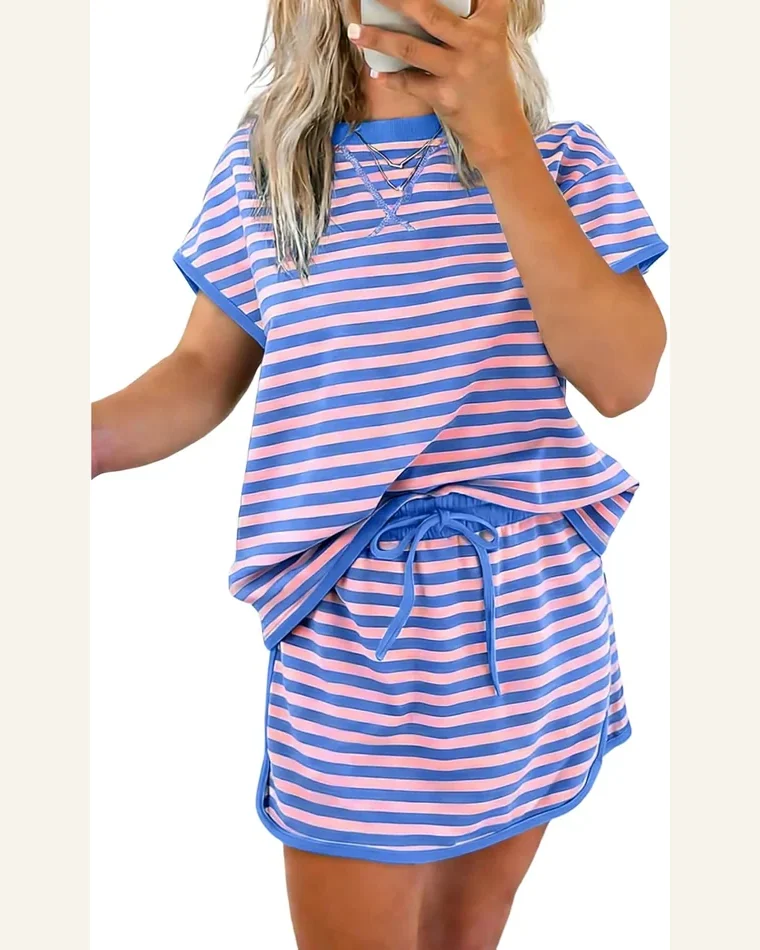
Lounge Sets 2 Piece Skirt Colorblock T Shirt
From $29.30+18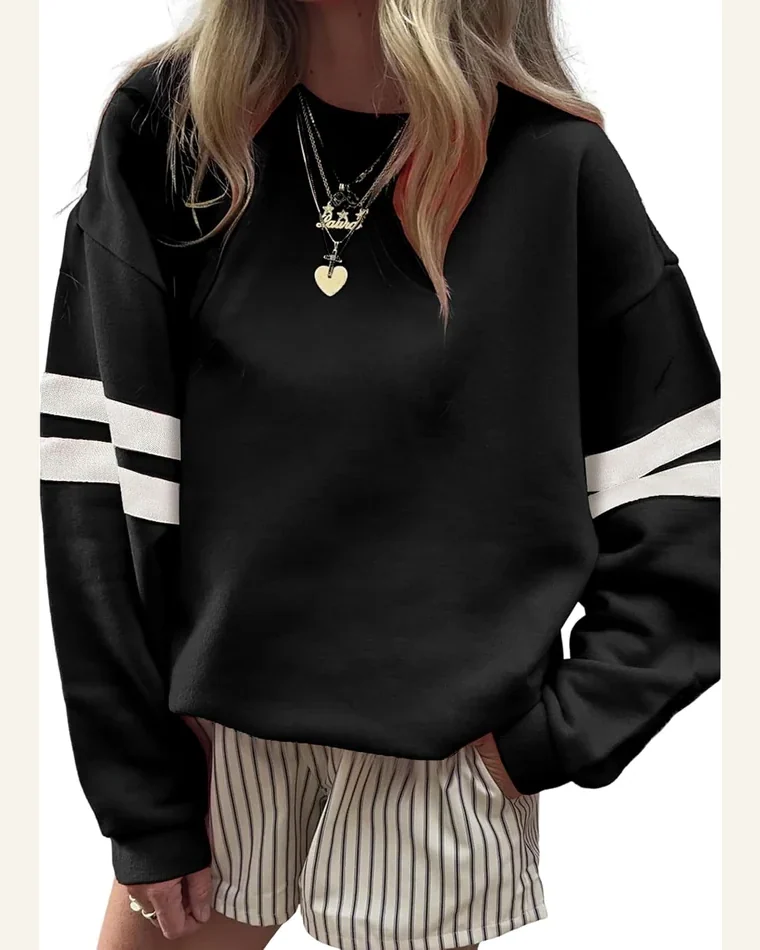
Varsity Striped Oversized Sweatshirt Crewneck Pullover Tops
From $23.99+12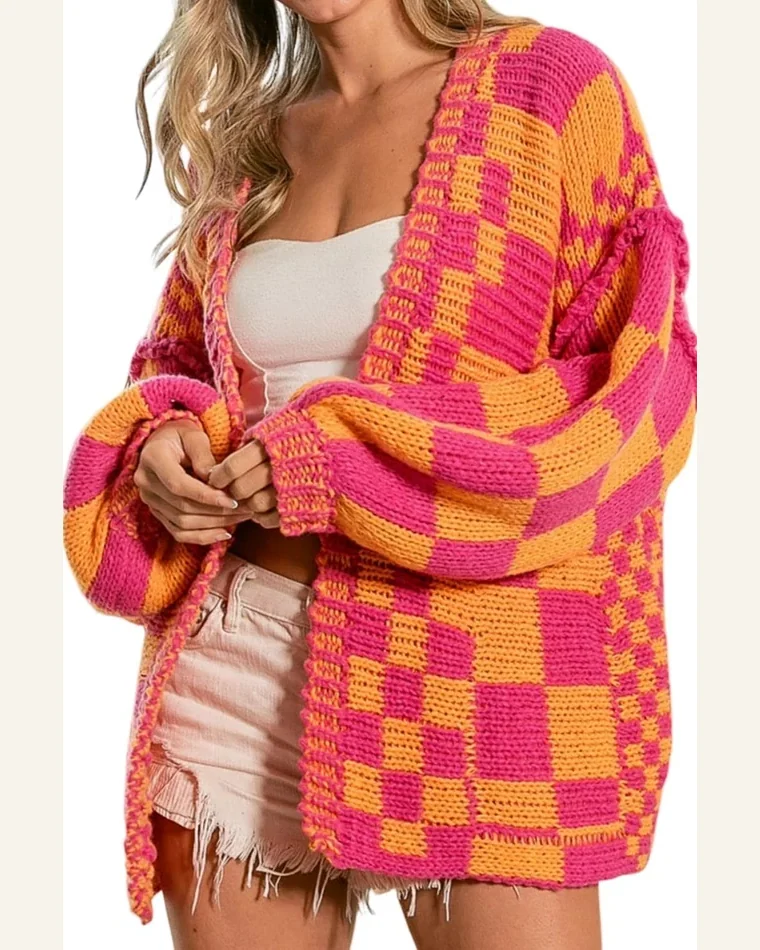
Cardigan Sweater Vintage Open Front Mixed Checkered Pattern
From $25.99+11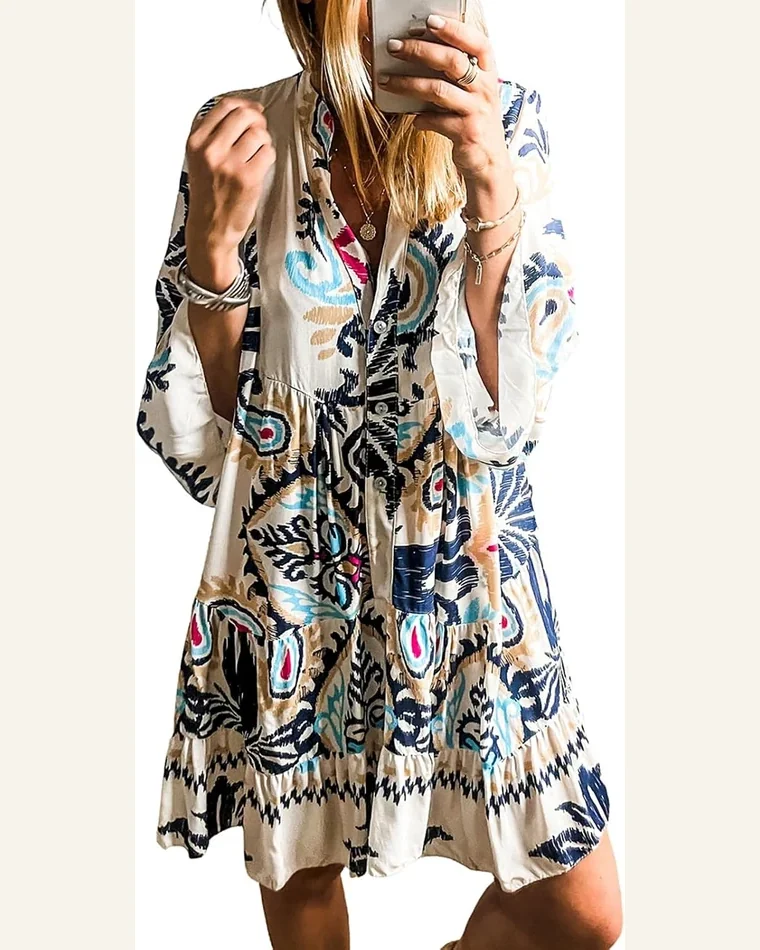
Long Sleeve Dresses Casual V Neck Tribal Mini
From $26.99+10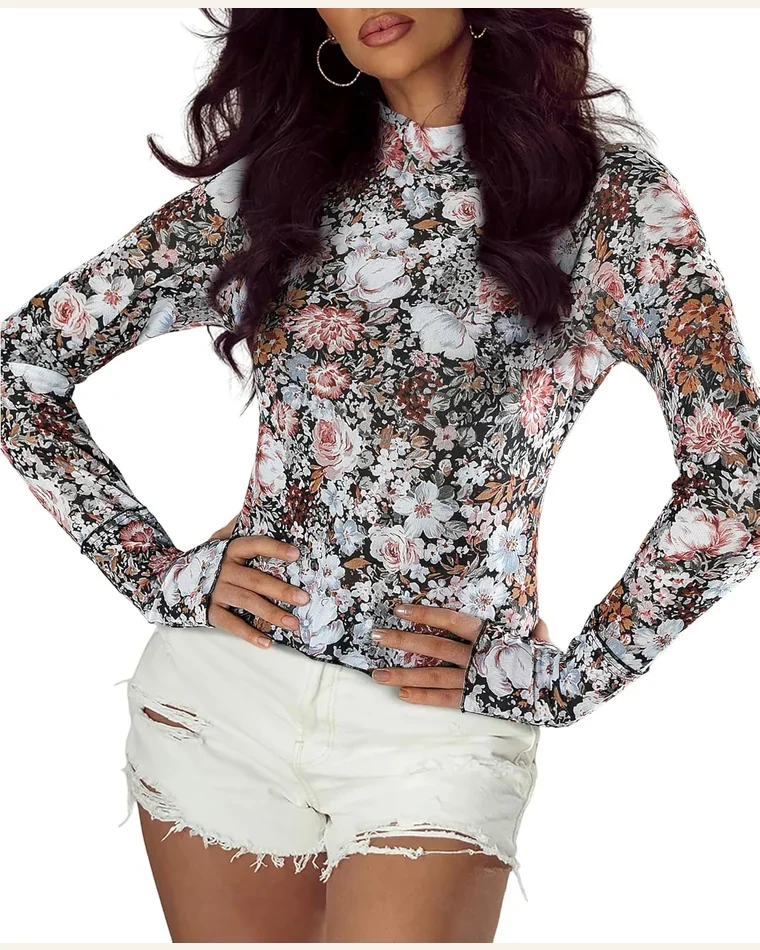
Long Sleeve Mesh Tops Sheer Blouses Mock Neck
From $9.99+9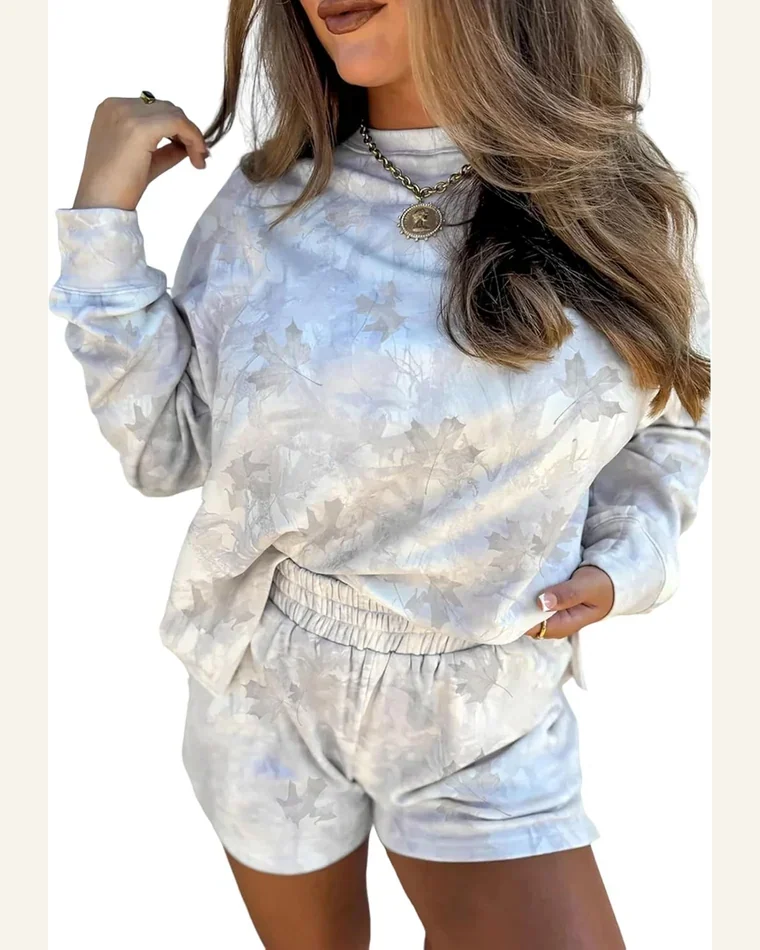
2 Piece Outfits Sweatsuit Casual Pullover and Shorts
From $29.99+8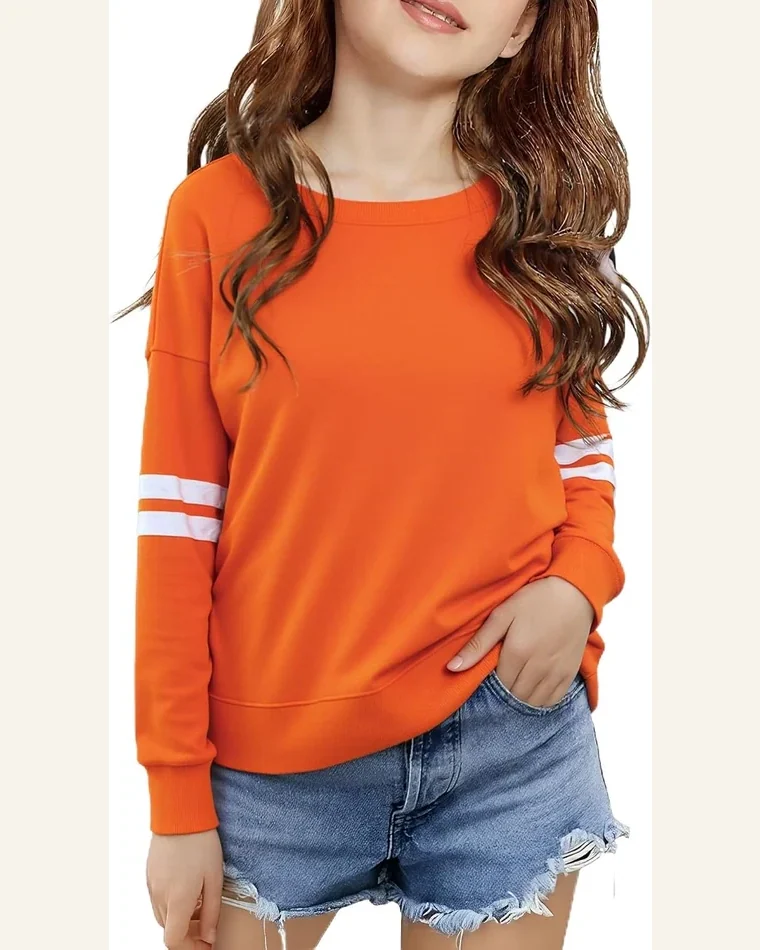
Girls Color Block Casual Long Sleeve Tees
From $9.49+7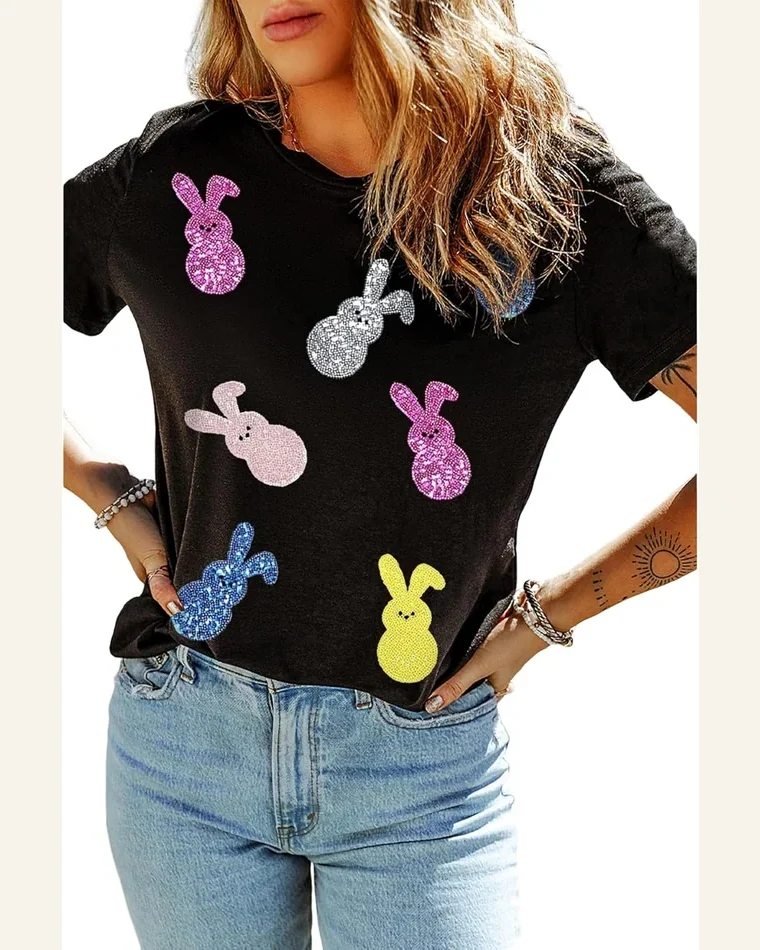
Summer Short Sleeve Tops Printed T Shirts Graphic
From $12.34+7What our style pages can and cannot tell you
2 styles in the catalogue carry a plus size line from the maker, and 32 belong to the children's line, where sizing runs by age.
Every style in the catalogue arrives with at least one size stated by the maker.
Care instructions are a separate matter, and the law governs them. The rule tells a maker “to provide regular care instructions at the time such products are sold to purchasers through the use of care labels or other methods described in this rule”. A care label is the one piece of paper in a garment you can rely on.
Sources we read
- 16 CFR Part 423, Care Labeling of Textile Wearing Apparel and Certain Piece Goods, Office of the Federal Register, eCFR. Read 18 September 2026.