Care labels, and what the rule actually requires
A care label is not marketing. It is a regulated disclosure, and the rule behind it says more than most shoppers expect.
Written by the SELINK studio. Sources read 18 September 2026. Prices in this piece were read 18 September 2026.
In the United States every garment carries a care label, and the rule behind it is specific. It covers manufacturers and importers of textile wearing apparel, and it exists to stop a cleaning method nobody warned you about from ruining a garment.
The text is plain enough to quote. The rule tells makers “to provide regular care instructions at the time such products are sold to purchasers through the use of care labels or other methods described in this rule”.
It also puts the burden of proof on the maker rather than on the shopper.
“To fail to possess, prior to sale, a reasonable basis for all regular care information disclosed to the purchaser.”
16 CFR 423.6(a)(5)
What our style pages say about washing
Of 720 styles here, 430 carry a washing instruction from the maker and 497 state a fibre composition. Where the maker says nothing, we print nothing.
The pattern across the catalogue is consistent: cold water, gentle cycle, and line drying for anything knitted.
Counted across the catalogue on 18 September 2026. One style can state more than one method.
Styles that state their washing method
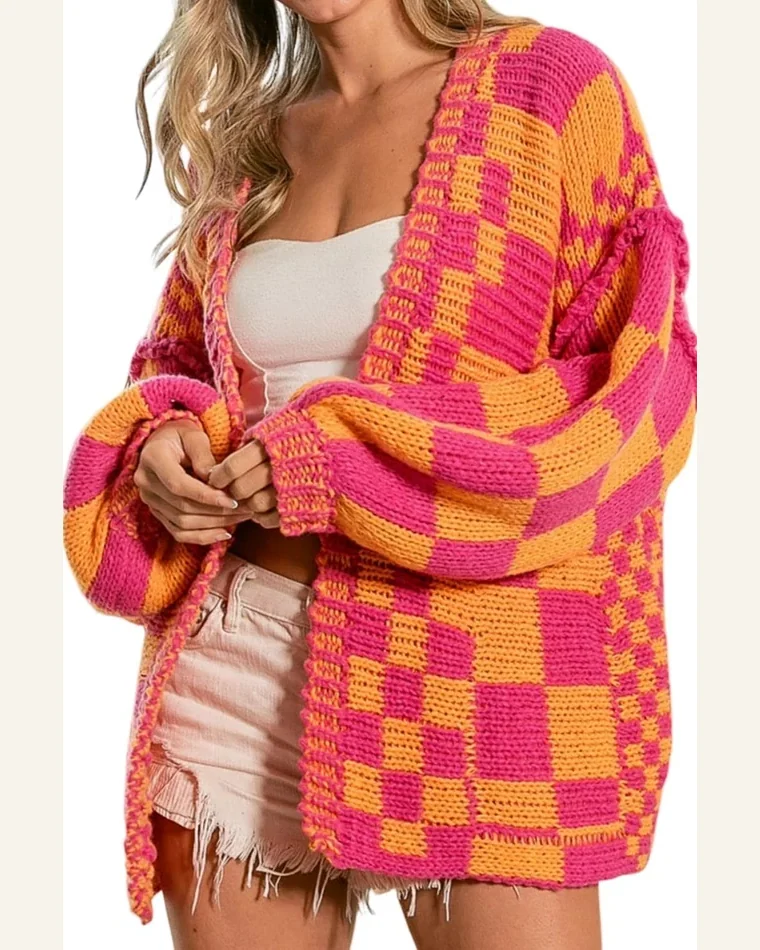
Cardigan Sweater Vintage Open Front Mixed Checkered Pattern
From $25.99+11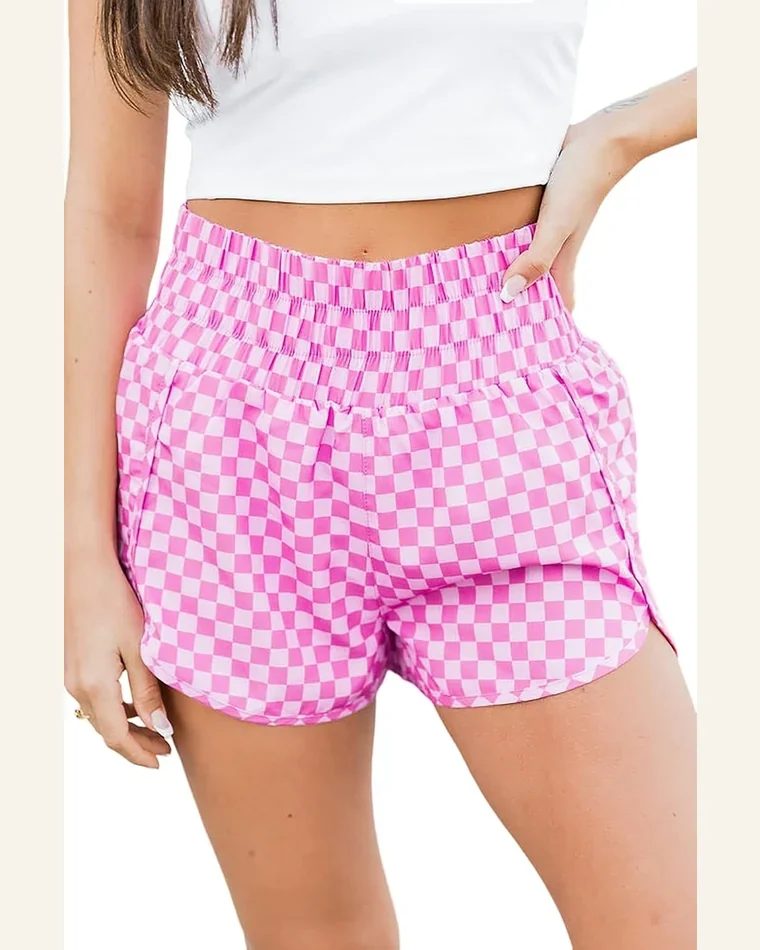
Shorts Casual High Waisted Athletic Shorts Shirred High
From $14.99+5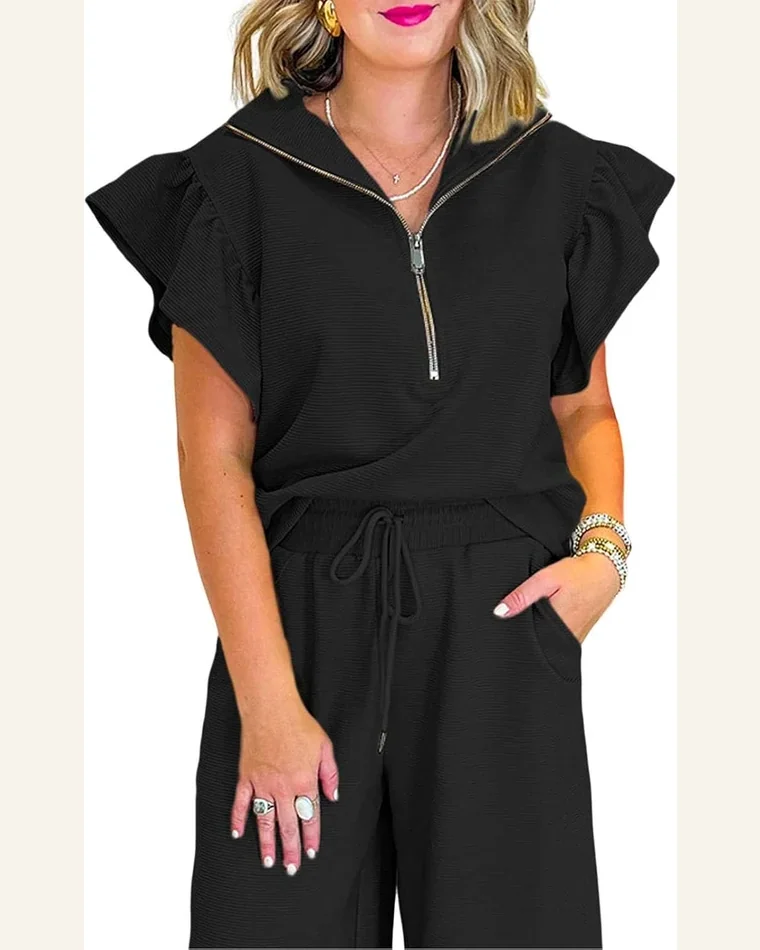
Two Piece Sets Summer Outfits Ruffle Cap Sleeve
From $34.71+5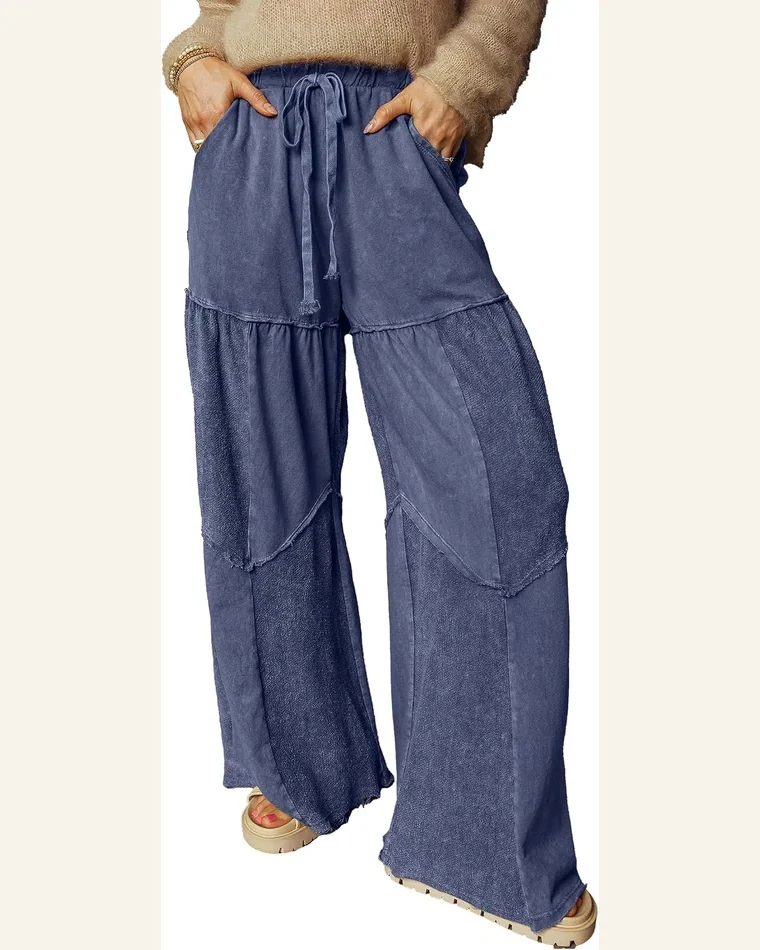
Casual Pants Patchwork Trousers
From $29.99+5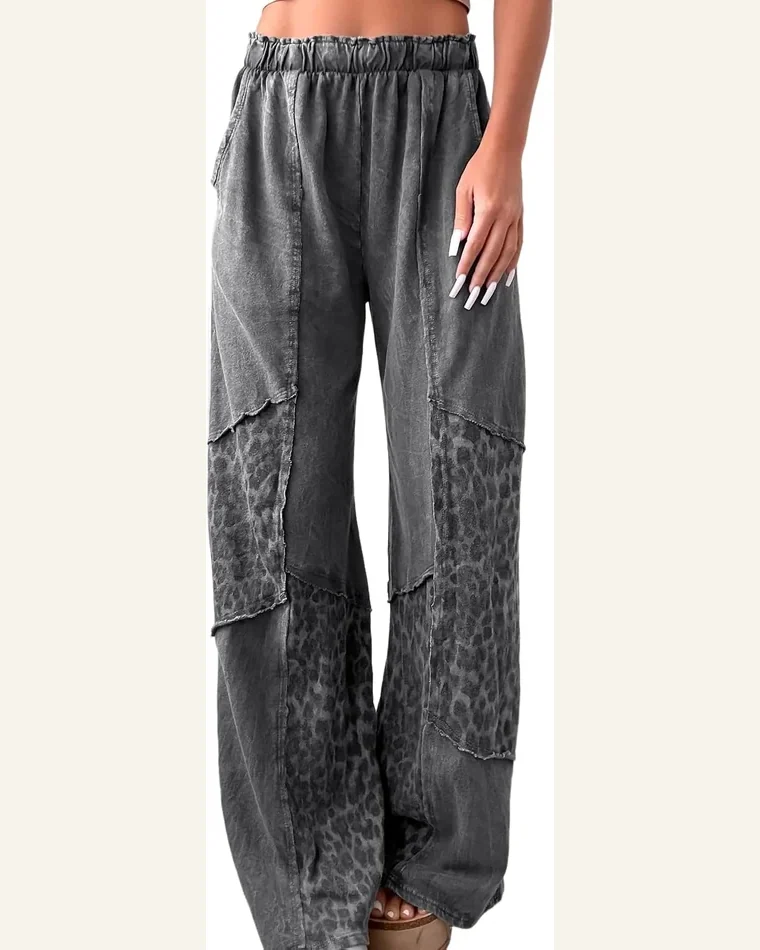
Patchwork Wide Leg Pants with Pockets
From $35.99+3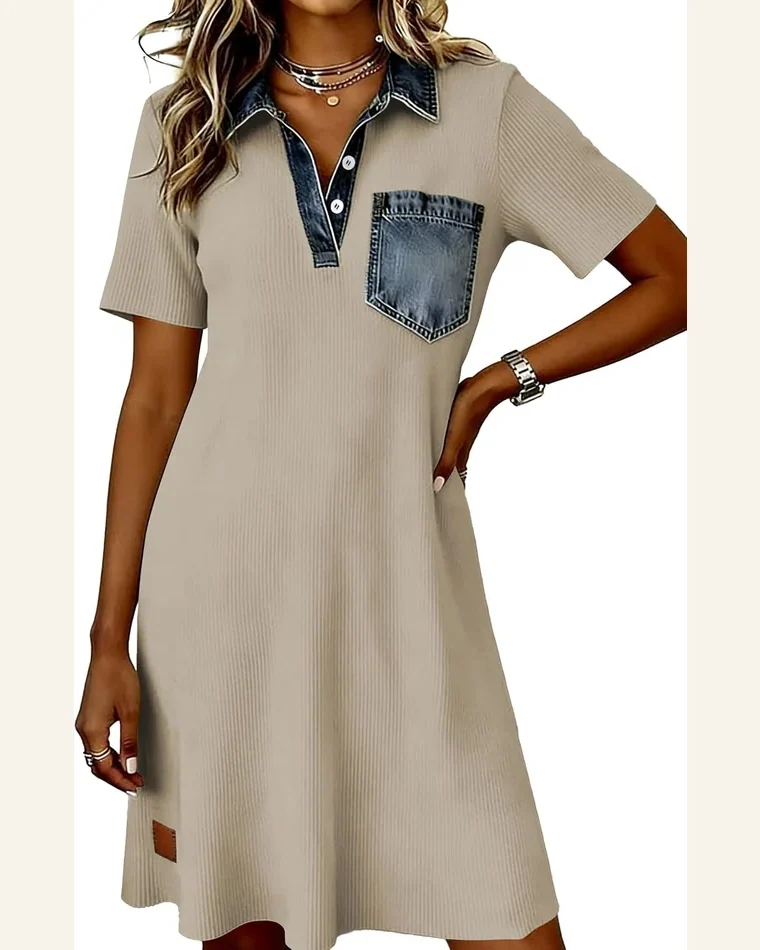
Patchwork Dress Polo T-Shirt Dress
From $31.99+3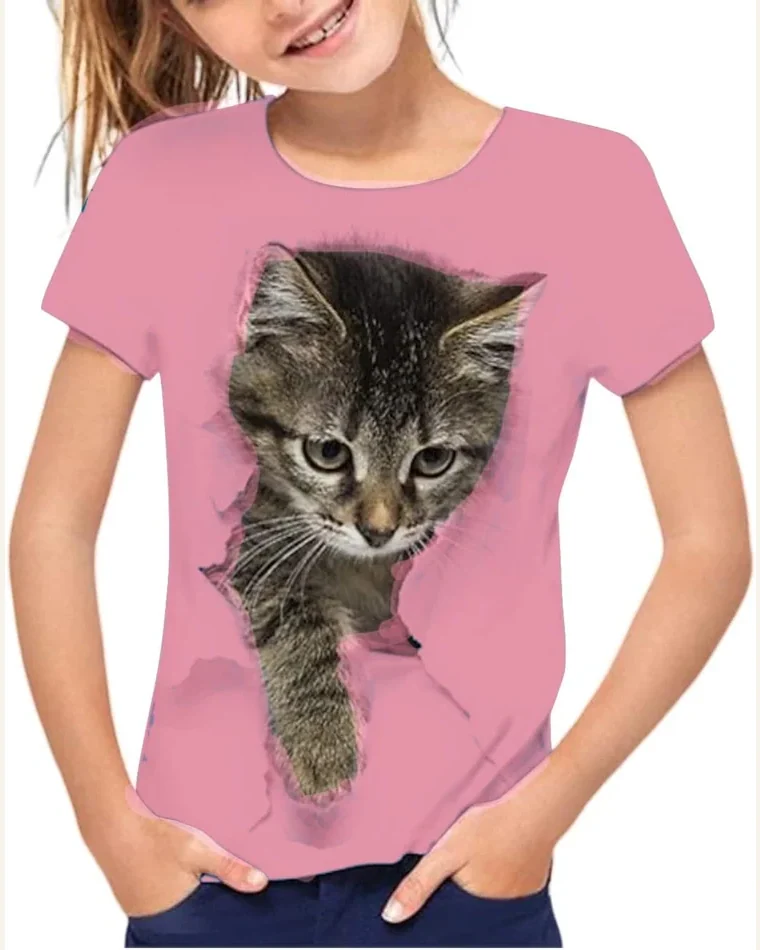
Girls Short Sleeve Casual 3D Graphic T Shirts
From $9.99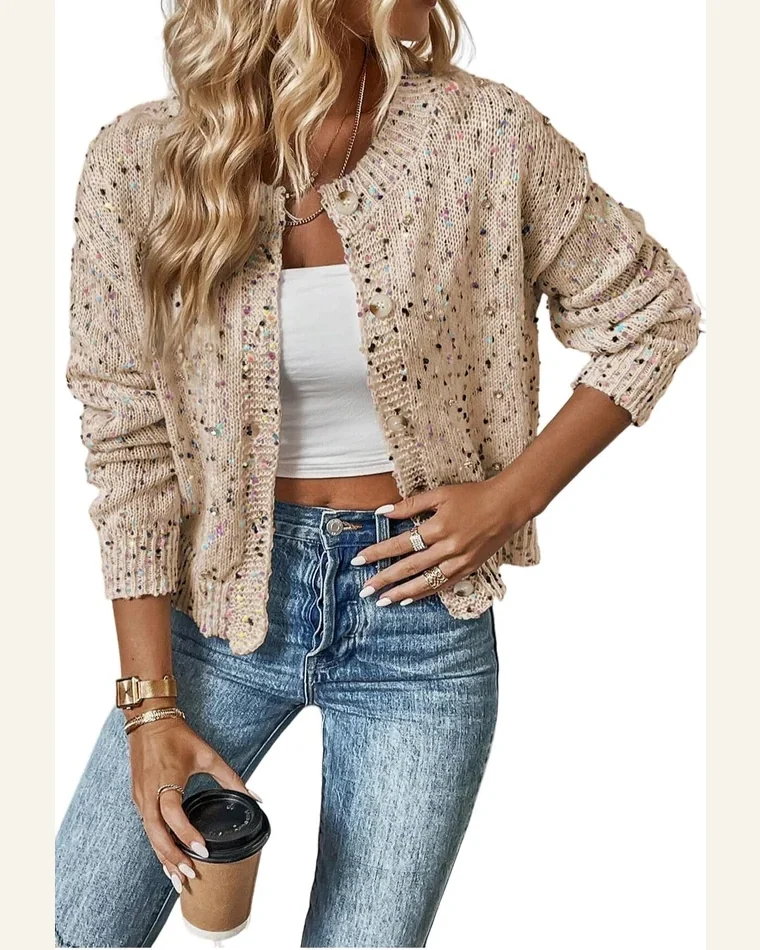
Cardigan Sweater Elegant Aruba Rhinestone Decor Confetti Sweater
From $39.99Flammability is regulated too
A standard tests clothing textiles for how fast they burn, and it sorts them into three classes.
The first class is the one ordinary clothing falls into: “Class 1 textiles exhibit normal flammability and are acceptable for use in clothing.”
Raised surface fabrics such as fleece get more attention under the standard, and separate rules again cover children's sleepwear. None of this appears on a style page, and none of it needs to: it is a floor every garment sold has to clear.
Four habits that keep color
| Habit | Why it helps |
|---|---|
| Wash cold, inside out | Dye loss happens fastest in hot water and on the outer face |
| Skip the dryer for knits | Heat shrinks the yarn and flattens texture such as waffle and rib |
| Wash prints with prints | A dark print can bleed onto a pale plain in the same load |
| Close every zip first | An open zip is the most common cause of pulls in a mesh or lace piece |
Sources we read
- 16 CFR Part 423, Care Labeling of Textile Wearing Apparel and Certain Piece Goods, Office of the Federal Register, eCFR. Read 18 September 2026.
- 16 CFR Part 1610, Standard for the Flammability of Clothing Textiles, Office of the Federal Register, eCFR. Read 18 September 2026.
- Flammable Fabrics Act (FFA), U.S. Consumer Product Safety Commission. Read 18 September 2026.